Ultimate Multi-Tier Link Building Using GSA SER Case Study for Money Sites
Tiered Link Building With GSA SER
Understanding Tiered Link Building with GSA SER
Tiered link building remains one of the most effective ways to strengthen a website’s backlink profile without exposing high-value pages to direct, low-quality links. When combined with automation check here tools, the strategy becomes scalable and highly controllable. Tiered link building with GSA SER takes this concept further by leveraging one of the most powerful automated SEO tools on the market.
What Is Tiered Link Building?
Tiered link building is a structured approach to building backlinks in layers, or “tiers.†The idea is to send powerful, high-quality links directly to your money site (Tier 1), then support those links with a broader set of second-level backlinks (Tier 2). Additional tiers can be added to force more link juice through the chain while keeping the lowest-quality links far from your primary domain.
- Tier 1: High-authority links pointing directly to your money site (guest posts, niche edits, PBN links, manual outreach).
- Tier 2: Links pointing to your Tier 1 assets—web 2.0s, article directories, bookmarks, and other platforms.
- Tier 3: Often a bulk layer of lower-quality links (blog comments, forum profiles, wikis) aimed at Tier 2 properties to boost their indexation and power.
Why Use GSA SER for Tiered Link Building?
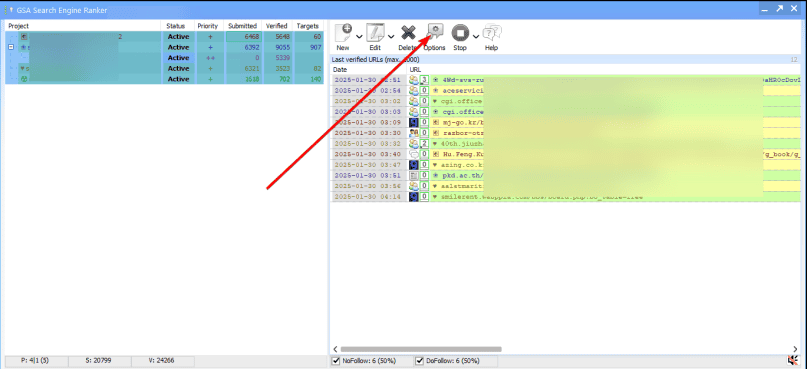
GSA Search Engine Ranker (GSA SER) is a desktop-based link building tool designed to automate submission to thousands of platforms. It excels at building high-volume, varied anchor text profiles for lower tiers. Integrating it into a layered strategy enables you to mass-produce Tier 2 and Tier 3 links while keeping your Tier 1 manually curated and safe. The result is an efficient, time-saving setup that mimics natural link growth.
Key Advantages of Tiered Link Building with GSA SER
- Scalability: Create hundreds of verified links per hour without manual effort.
- Diverse Platform Footprint: Builds on article directories, social bookmarks, web 2.0s, wikis, guestbooks, and image comments.
- Anchor Text Control: Use weighted anchor text plans to simulate organic distributions.
- Spin Syntax Support: Massively unique content generation avoids duplicate footprints.
- Indexing Triggers: Pings and indexing services are built in, helping lower-tier links get discovered.
Designing a Safe Tiered Structure with GSA SER
Risk management is essential. The most common mistake is blasting low-quality GSA links directly to a money site. Instead, a properly insulated structure should look like this:
Tier 1 – Your Manual Shield
Use only hand-crafted, high-quality links from trusted sources. These might include guest posts on real blogs, editorial mentions, or strong niche edits. No GSA SER links touch this layer.
Tier 2 – High-Quality Automated Foundations
Point GSA SER at your Tier 1 URLs. Configure the tool to prioritize better platforms: high-PR web 2.0 blogs, contextual article directories, and social networks. Use well-spun, readable content and limit the number of links per domain. Set daily submission caps to appear natural.
Tier 3 – Bulk Velocity Layer
Blast forums, guestbooks, image comments, and stat pages at Tier 2 properties. This tier is designed to push link equity upward while absorbing any potential toxic footprint. Keep anchor text generic, use dedicated email accounts, and avoid over-optimization.
Step-by-Step Setup for Tiered Link Building with GSA SER
- Prepare Tier 1 Assets: Build or acquire a handful of authority links pointing to your money page. Document each URL in a list.
- Create a Tier 2 Project in GSA SER: Import the Tier 1 URL list as your target. Choose “Verified†and “Contextual†platforms primarily. Set up a dedicated proxy list and captcha solving service.
- Configure Content and Anchor Text: Upload multiple spin-formatted article bodies for different platforms. Use a wide mix of generic, branded, and partial-match anchors with a heavy tilt toward naked URLs and brand terms.
- Set Submission Limits: Enable “Pause project after X verifications per day†and set a reasonable number like 30–50. Use “Filter duplicate domains†and avoid linking to the same Tier 1 from the same domain repeatedly.
- Build Tier 3 Support: Create a second GSA project pointing at your Tier 2 verified links. Use a broader set of platforms, crank velocity a bit higher, and rely on even more generic anchor text.
- Index the Structure: Utilize the built-in indexer, social signals, or external pinging services to help lower tiers get crawled. Avoid flooding; a gradual indexing schedule is safer.
- Monitor and Adjust: Check the link status regularly. Remove broken or heavily penalized domains from your target lists. Re-import fresh Tier 2 URLs if needed.
Best Practices for Sustainable Results
- Use Private or Semi-Dedicated Proxies: Shared proxies often have bad footprints. Invest in proxies that are not abused by thousands of SEOs.
- Embrace Content Variation: Combine multiple spintax articles, use different images, vary author names, and mix HTML formatting.
- Build Contextual Links First: Focus Tier 2 on platforms that allow articles with 200+ words. Contextual power transfers more effectively than profile links.
- Never Link Directly to Money Site with GSA: Even with the best filters, a fully automated link carries risk. Always insulate.
- Drip-Feed Velocity: A steady, moderate flow of links outperforms sudden spikes. Natural growth patterns are less likely to trigger manual reviews.
Common Mistakes to Avoid
- Using the same anchor text across all tiers—this invites over-optimization penalties.
- Ignoring email verification rates; if Gmail accounts get blocked, whole campaigns stall.
- Not leveraging global site lists and verified link databases effectively.
- Forgetting to randomize submission times and thread counts to mimic human behavior.
- Treating Tier 2 links as disposable—poor quality Tier 2 will not pass meaningful value upward.
FAQs About Tiered Link Building with GSA SER
Is tiered link building with GSA SER still effective in 2025 and beyond?
Yes, when executed intelligently. Search engines have become better at detecting pure spam, but a well-insulated, content-driven tiered structure remains a legitimate way to boost link power. The key is treating each tier as a value layer rather than a throwaway spam net.
How many tiers should I use?
Most practitioners succeed with three tiers. Two tiers can work for low-competition keywords, but three tiers provide a safer buffer. More than three rarely delivers meaningful additional benefit and substantially complicates management.
What types of links should I never build with GSA SER?
Avoid blasting comment links, trackbacks, and low-quality wiki edits directly at even Tier 2 properties unless you’re fully aware of the risk. Reserve those for Tier 3 only. Always avoid linking from hacked pages or adult-content networks; stick to platforms you can white-label control.
Do I need a VPS to run GSA SER for tiered link building?
Not strictly, but a Windows VPS is highly recommended. GSA SER runs best with a constant internet connection and ample resources. Running it 24/7 on a dedicated server ensures consistency, higher verification rates, and peace of mind.
How do I measure the success of my tiered campaigns?
Monitor ranking improvements for target keywords, organic traffic trends, and the indexation rate of your Tier 2 and Tier 3 links. Tools like GSA SEO Indexer combined with rank tracking software provide a clear picture of what’s working.
Final Thoughts
Tiered link building with GSA SER bridges the gap between aggressive automation and the need for quality control. When you build a solid Tier 1 manually and let GSA SER handle the demanding volume for lower tiers, you create a scalable, cost-effective link ecosystem. Stick to the principles of content variation, gradual velocity, and insulation, and you can harness the tool’s full potential while keeping your money site safe from algorithmic turbulence.